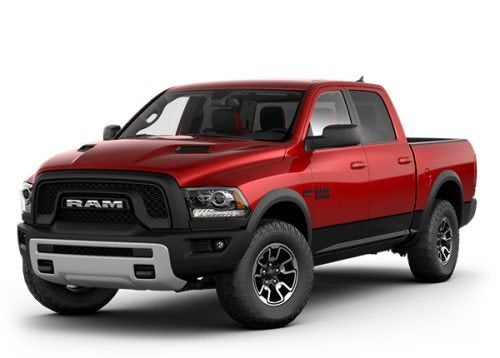





Choosing between a Ram 1500, Ram 2500, and Ram 3500 is not simply a matter of buying the truck with the highest towing number. The best Ram truck is the one that can safely handle your fully loaded trailer, passengers, cargo, hitch equipment, and everyday driving needs without forcing you to pay for more truck than you will actually use. For many Columbiana-area drivers, the decision can be simplified this way: The Ram 1500 is generally the best choice for daily driving, home projects, lighter work, boats, utility trailers, and many recreational trailers. The Ram 2500 is usually the right step up for regular heavy towing, larger campers, equipment trailers, substantial bed loads, and demanding work. The Ram 3500 is designed for the most demanding payload, fifth-wheel, gooseneck, agricultural, commercial, and heavy-trailer applications. The final choice must be based on the ratings of the individual truck, not just the model name. Engine, drivetrain, cab, bed, axle ratio, trim, options, hitch equipment, passengers, and cargo can all affect towing and payload capacity. Ram 1500 vs. 2500 vs. 3500 at a Glance The following figures are published maximums for properly equipped 2026 Ram trucks. They are achieved by specific configurations and do not apply to every truck within each model line. Ram Truck Maximum Towing Maximum Payload Best Suited For Ram 1500 Up to 11,610 pounds Up to 2,360 pounds Daily driving, utility trailers, boats, home projects, recreational towing Ram 2500 Gas Up to 17,750 pounds Up to 3,930 pounds Heavy-duty work, larger trailers, frequent hauling Ram 2500 Diesel Up to 20,000 pounds Up to 3,600 pounds Frequent heavy towing, larger campers and equipment trailers Ram 3500 Gas Up to 18,150 pounds Up to 7,590 pounds High-payload work, substantial bed loads and commercial use Ram 3500 Diesel Up to 36,610 pounds Up to 6,050 pounds Large fifth-wheels, gooseneck trailers and the heaviest towing jobs The 2026 Ram 1500 offers maximum available towing of up to 11,610 pounds and payload of up to 2,360 pounds. The 2026 Ram 2500 can tow up to 20,000 pounds with the available diesel engine, while the 2026 Ram 3500 reaches a maximum available diesel towing rating of up to 36,610 pounds. These figures are useful for comparing the three truck lines, but they should not be used as the capacity of a specific truck without checking its configuration. What Is the Difference Between Towing and Payload? Towing capacity and payload are related, but they are not the same measurement. Towing Capacity Towing capacity is the maximum trailer weight a properly equipped truck is rated to pull under specified conditions. The trailer’s weight should include everything loaded into or onto it, such as: Equipment Water Fuel Tools Camping supplies Livestock Building materials Personal belongings Accessories added after purchase An unloaded or “dry” trailer weight does not show what the trailer will weigh when it is ready for the road. Payload Capacity Payload is the amount of weight the truck can carry on or in the truck itself. Payload can include: The driver Passengers Cargo in the cab Cargo in the bed Toolboxes Bed covers Running boards and other accessories The hitch Trailer tongue weight Fifth-wheel or gooseneck pin weight A truck may have enough advertised towing capacity for a trailer but still run out of payload once passengers, cargo, accessories, and hitch weight are added. That is why payload is often one of the most important numbers for camper, fifth-wheel, and work-trailer owners. When Is a Ram 1500 the Right Choice? The Ram 1500 is the light-duty pickup in the comparison. It provides useful towing and hauling capability while generally offering a more comfortable and manageable everyday driving experience than a heavy-duty truck. The 2026 Ram 1500 can tow up to 11,610 pounds and carry up to 2,360 pounds of payload when properly equipped. Those maximums depend on the engine, cab, bed, drivetrain, axle ratio, trim, and installed equipment. A Ram 1500 may be the right choice if you use your truck for: Commuting Family transportation Home-improvement projects Landscaping materials A smaller or midsize boat A utility trailer An ATV or side-by-side trailer A smaller travel trailer Occasional work-site use Light business or property maintenance Why Choose the Ram 1500? The Ram 1500 is generally easier to use when the truck spends more time without a trailer than with one. Compared with a heavy-duty truck, it may offer: A more comfortable unloaded ride Easier parking and maneuvering Lower step-in height on many configurations More manageable overall dimensions Lower initial purchase cost Lower operating expenses, depending on configuration Strong passenger comfort and technology options It can be a good fit for a Columbiana County household that needs one vehicle for commuting during the week and recreational towing on weekends. When Is the Ram 1500 Not Enough? Consider moving to a Ram 2500 when: Your trailer’s loaded weight approaches the capacity of the specific Ram 1500 Tongue weight uses too much of the truck’s available payload You regularly carry heavy cargo in the bed while towing You tow frequently rather than occasionally You travel long distances with a heavy trailer Your work requires higher axle or gross vehicle weight ratings You need fifth-wheel or gooseneck capability beyond the truck’s ratings Do not assume a Ram 1500 with a premium trim or more powerful engine automatically has the highest payload. Added equipment increases the truck’s weight and can reduce the amount of payload available. Learn more in the 2026 Ram 1500 review and research guide. When Is a Ram 2500 the Right Choice? The Ram 2500 is the middle ground between a light-duty pickup and the maximum capability of a Ram 3500. For many buyers, it is the starting point for true heavy-duty towing and hauling. It can handle substantially more demanding work than a Ram 1500 without automatically requiring the size, width, or payload capacity of a dual-rear-wheel Ram 3500. The 2026 Ram 2500 offers: Maximum gasoline towing of up to 17,750 pounds Maximum gasoline payload of up to 3,930 pounds Maximum diesel towing of up to 20,000 pounds Maximum diesel payload of up to 3,600 pounds The model is available with a 6.4-liter HEMI V8 gasoline engine or an available High-Output 6.7-liter Cummins Turbo Diesel inline-six. A Ram 2500 may be appropriate for: Larger travel trailers Heavy utility trailers Skid-steer or compact equipment trailers Livestock and horse trailers Construction equipment Landscaping businesses Farm and property work Snow-removal equipment Larger boats Frequent long-distance towing Substantial bed-mounted tools or equipment Why Choose the Ram 2500? The Ram 2500 provides a meaningful increase in available towing, payload, axle, suspension, and gross vehicle weight capability over the Ram 1500. It can be a strong option for contractors, farmers, property owners, recreational trailer owners, and other drivers who need heavy-duty capability but do not regularly exceed the limits of a properly equipped three-quarter-ton truck. The Ram 2500 can also make sense when your current trailer technically falls within a Ram 1500’s rating, but the combination of passengers, tools, cargo, tongue weight, and frequent use leaves little useful capacity. Is the Gas or Diesel Ram 2500 Better? The gasoline Ram 2500 may be the better choice when: Towing is occasional The trailer is well below the truck’s maximum rating Payload is more important than maximum towing The truck makes frequent short trips You want to limit the initial purchase price You prefer to avoid diesel-specific maintenance considerations The available Cummins diesel may be more appropriate when: You tow frequently The trailer is especially heavy You travel longer distances while towing Low-speed torque is important You regularly encounter hills or demanding working conditions You want the Ram 2500’s highest available towing rating The diesel engine itself weighs more than the gasoline engine. That is one reason the maximum published diesel payload is lower than the maximum gasoline payload, even though the diesel has the higher maximum towing capacity. Learn more in the 2026 Ram 2500 towing and trim guide. When Is a Ram 3500 the Right Choice? The Ram 3500 is the highest-capacity pickup in the Ram truck comparison. It is intended for drivers whose towing or payload requirements exceed the ratings of a properly configured Ram 2500. It also introduces available dual rear wheels, which can provide additional payload capacity and greater stability for certain heavy fifth-wheel and gooseneck applications. The 2026 Ram 3500 offers: Maximum gasoline towing of up to 18,150 pounds Maximum gasoline payload of up to 7,590 pounds Maximum diesel towing of up to 36,610 pounds Maximum diesel payload of up to 6,050 pounds These ratings vary by engine, drivetrain, cab, bed, rear-axle ratio, trim, equipment, and single- or dual-rear-wheel configuration. A Ram 3500 may be the right truck for: Large fifth-wheel campers Heavy gooseneck trailers Large livestock trailers Excavators and substantial equipment Commercial hauling Agricultural operations Heavy service bodies Large slide-in campers High bed-payload requirements Regular towing near Ram 2500 limits Do You Need a Single- or Dual-Rear-Wheel Ram 3500? A single-rear-wheel Ram 3500 may be appropriate when you need more capability than a Ram 2500 but still want more conventional width and easier maneuverability. It may work well for: Heavy bumper-pull trailers Certain fifth-wheel campers Work trailers Substantial payload needs Drivers who use the truck without a trailer regularly A dual-rear-wheel Ram 3500, often called a dually, places two wheels on each side of the rear axle. Depending on the configuration, a dually can provide: Greater payload capacity Additional stability under heavy pin weight Higher available towing ratings Better support for certain large fifth-wheel or gooseneck trailers The tradeoff is additional width. A dual-rear-wheel truck requires more space in parking lots, garages, drive-through lanes, narrow job sites, and other confined areas. It also has two additional rear tires to inspect, rotate, maintain, and eventually replace. Learn more in the 2026 Ram 3500 capability and trim guide. Ram 2500 vs. Ram 3500: Is Bigger Always Better? A Ram 3500 is not automatically the better truck simply because it offers higher maximum capacity. A Ram 2500 may be preferable when: Its ratings safely cover your loaded trailer You do not need dual rear wheels The truck will be driven unloaded frequently Easier parking and maneuverability matter You do not need the Ram 3500’s higher payload rating Your fifth-wheel or gooseneck pin weight fits within the Ram 2500’s limits A Ram 3500 becomes the smarter choice when: The Ram 2500 does not provide enough payload Pin weight places the Ram 2500 near or over its gross vehicle weight rating You carry substantial equipment in the bed Your business requires a higher-capacity configuration You regularly tow near the upper end of the Ram 2500’s limits A dual-rear-wheel truck is appropriate for the trailer The best choice includes a reasonable operating margin. A truck should not be selected with the expectation that it will operate at its maximum published capacity during every trip. What Changes a Ram Truck’s Towing Capacity? Two Ram trucks with the same model and trim can have different towing and payload ratings. Important configuration factors include: Engine The engine affects horsepower, torque, vehicle weight, towing capacity, and payload. A diesel engine may provide greater towing capability, but its additional weight can reduce the truck’s available payload compared with a gasoline configuration. Cab Configuration Regular Cab, Crew Cab, and Mega Cab configurations have different passenger space, wheelbases, and curb weights. A larger cab may be more comfortable for a work crew or family, but its additional weight can affect payload and towing ratings. Bed Length Bed length affects the truck’s wheelbase, cargo space, overall length, and available configurations. An eight-foot bed may be useful for building materials, equipment, fifth-wheel clearance, and work use. A shorter bed may be easier to park and maneuver. Two-Wheel Drive or Four-Wheel Drive Four-wheel drive can be valuable for Northeast Ohio winter conditions, farms, muddy job sites, gravel roads, and other low-traction situations. The four-wheel-drive system adds weight, however, which may change the truck’s payload and towing ratings compared with an otherwise similar two-wheel-drive model. Axle Ratio The rear-axle ratio can affect towing performance, engine speed, and the truck’s published capacity. Do not assume that two trucks with the same engine have the same axle ratio or rating. Trim and Optional Equipment Leather seating, larger wheels, power steps, sunroofs, off-road equipment, premium audio systems, storage systems, and other features add weight. A well-equipped luxury or off-road truck may have a lower payload rating than a more simply equipped work-focused configuration. Single or Dual Rear Wheels On the Ram 3500, a dual-rear-wheel configuration may provide substantially greater payload and towing capacity than a comparable single-rear-wheel truck. Hitch Type A conventional receiver hitch, fifth-wheel hitch, and gooseneck hitch have different limits and applications. The truck, hitch, mounting system, trailer, and connecting equipment must all be properly rated for the load. How Do Passengers and Cargo Affect Payload? Imagine a truck has a payload rating of 2,000 pounds. Before connecting a trailer, you add: Driver and passengers: 600 pounds Toolbox and tools: 250 pounds Bed cover and accessories: 100 pounds Cargo in the bed: 250 pounds That leaves approximately 800 pounds of payload before accounting for the trailer’s tongue or pin weight. A trailer could be within the truck’s advertised towing capacity while its hitch weight pushes the truck over its payload, gross vehicle weight, rear-axle, tire, or hitch rating. This is especially important with travel trailers and fifth-wheels because the trailer places part of its weight directly on the truck. Which Ram Is Best for a Travel Trailer? The answer depends on the travel trailer’s fully loaded weight and tongue weight. A Ram 1500 may be suitable for many smaller and midsize travel trailers when properly configured. A Ram 2500 may be preferable for: Larger travel trailers Heavier tongue weights Families carrying substantial gear Frequent towing Longer trips Buyers who want more payload capacity A Ram 3500 may be necessary for especially large travel trailers or when cargo, passengers, accessories, and tongue weight exceed the ratings of a Ram 2500. Never rely only on the trailer manufacturer’s dry weight. Include water, propane, batteries, food, clothing, outdoor equipment, accessories, and everything else carried during a typical trip. Which Ram Is Best for a Fifth-Wheel Camper? Payload and pin weight are often the deciding factors for a fifth-wheel camper. Some smaller fifth-wheels may fit within the ratings of a properly configured Ram 2500. Larger fifth-wheels can require a Ram 3500, and the heaviest models may call for a dual-rear-wheel configuration. Before selecting a truck, confirm: The camper’s loaded weight Expected pin weight Truck payload Gross vehicle weight rating Gross combined weight rating Rear-axle rating Tire ratings Fifth-wheel hitch rating Passenger and cargo weight Bed length and clearance requirements A high towing-capacity number does not override a lower payload or axle rating. Which Ram Is Best for a Work Trailer? For lighter utility and landscape trailers, a properly configured Ram 1500 may provide the capability you need while remaining practical for daily driving. The Ram 2500 is often the more appropriate choice for: Compact construction equipment Heavier landscaping trailers Dump trailers Tool and material trailers Frequent commercial towing The Ram 3500 should be considered for: Heavy equipment High trailer tongue or pin weight Large gooseneck trailers Substantial bed payload Commercial work near Ram 2500 limits Service bodies or specialized equipment Businesses can also explore Columbiana Chrysler Jeep Dodge Ram’s commercial Ram truck lineup and Ram Professional resources. The dealership maintains dedicated commercial and heavy-duty truck resources for work-focused buyers. Which Ram Truck Is Best for Northeast Ohio Winters? Four-wheel drive is available across a wide range of Ram 1500, 2500, and 3500 configurations and can help drivers manage snow, slush, mud, gravel, fields, and job-site conditions. The truck’s size alone does not guarantee good winter performance. Important winter factors include: Tire type Tread depth Tire condition Appropriate tire pressure Weight distribution Proper four-wheel-drive use Trailer brake adjustment Driving speed Following distance Routine brake and suspension inspections A heavy-duty truck may behave differently when the bed is empty than when it is carrying cargo or supporting trailer weight. Drivers should also consider whether a dually’s added width will be practical on their driveway, property, job site, or usual winter routes. Which Ram Is Best for Daily Driving? The Ram 1500 is generally the easiest of the three to use as an everyday vehicle. It may be the strongest choice when you need a truck for towing occasionally but spend most of your time commuting, running errands, transporting family members, or driving without a load. The Ram 2500 can still work as a daily vehicle, especially for drivers who need heavy-duty capability regularly. Its heavier-duty suspension and larger dimensions may feel different when the truck is unloaded. The Ram 3500 is best selected because its added capacity is necessary. A dual-rear-wheel truck can be especially cumbersome when navigating parking lots, garages, narrow driveways, and tight spaces. How to Choose the Right Ram Truck Before shopping, write down the answers to these questions: What is the trailer’s fully loaded weight? What is its expected tongue or pin weight? How many people will ride in the truck? How much cargo will be in the cab and bed? Will you add a toolbox, bed cover, steps, plow, or other accessories? How frequently will you tow? How far will you travel while towing? Will the truck be used primarily for work, recreation, or daily driving? Do you need four-wheel drive? Do you need a fifth-wheel or gooseneck hitch? Would single rear wheels meet your needs? How much capacity margin do you want for future equipment or a larger trailer? Once you know the actual load, compare it with the ratings of the individual truck. Check the truck’s documentation and labels for: Payload Gross vehicle weight rating Gross combined weight rating Front- and rear-axle ratings Tire capacity Hitch limits Trailer weight rating Do not rely solely on a model-wide advertisement or online description. Final Verdict: Ram 1500, Ram 2500, or Ram 3500? Choose the Ram 1500 when you want the most comfortable balance of daily usability, light work, home projects, and recreational towing. Choose the Ram 2500 when you need true heavy-duty capability for larger trailers, frequent towing, substantial cargo, equipment, or demanding work but do not require the maximum payload or towing capacity of a Ram 3500. Choose the Ram 3500 when your trailer, pin weight, payload, commercial application, or equipment exceeds the ratings of a properly configured Ram 2500. It is also the model to consider when a dual-rear-wheel truck is appropriate for the load. The correct answer is not based on which truck looks strongest. It is based on the complete weight of the people, cargo, equipment, hitch, and loaded trailer you expect the truck to handle. Compare Ram Trucks in Columbiana, Ohio Columbiana Chrysler Jeep Dodge Ram helps personal, agricultural, recreational, and commercial buyers compare light-duty and heavy-duty Ram truck configurations. Visit our Ram inventory to compare available Ram 1500, Ram 2500, and Ram 3500 trucks. Our dealership is located at 100 Commerce Circle in Columbiana, Ohio, and serves truck shoppers from Columbiana, Salem, Lisbon, East Palestine, East Liverpool, Calcutta, North Lima, and nearby communities. Our team can help you review an individual truck’s: Engine Cab and bed Drivetrain Axle ratio Payload rating Towing rating Hitch equipment Single- or dual-rear-wheel configuration Commercial and work-truck options You can also visit our finance department to begin reviewing potential financing options. After your purchase, our Ram service center in Columbiana can assist with routine maintenance, brakes, tires, fluids, diagnostics, transmission service, and other repair needs. Compare Ram Trucks Frequently Asked Questions What is the main difference between a Ram 1500, 2500, and 3500? The Ram 1500 is a light-duty pickup designed to balance daily comfort with useful towing and hauling capability. The Ram 2500 is a heavy-duty truck with higher available towing, payload, axle, and gross vehicle weight ratings. The Ram 3500 provides the highest pickup-truck capacity and offers available dual rear wheels. How much can a 2026 Ram 1500 tow? The 2026 Ram 1500 can tow up to 11,610 pounds when properly equipped. The actual rating depends on the engine, drivetrain, cab, bed, axle ratio, trim, passengers, cargo, hitch, and options. How much can a 2026 Ram 2500 tow? A properly equipped 2026 Ram 2500 can tow up to 17,750 pounds with the gasoline engine or up to 20,000 pounds with the available diesel engine. How much can a 2026 Ram 3500 tow? A properly equipped 2026 Ram 3500 can tow up to 18,150 pounds with the gasoline engine or up to 36,610 pounds with the available High-Output Cummins diesel engine. Which Ram truck has the highest payload? The 2026 Ram 3500 offers the highest maximum payload in this comparison. Properly equipped gasoline models can provide up to 7,590 pounds of payload. Actual payload varies by configuration. Is a Ram 2500 better than a Ram 1500 for towing? The Ram 2500 provides higher maximum towing and payload ratings and is generally better suited to frequent heavy towing. The Ram 1500 may be the better overall vehicle when its ratings safely cover the trailer and the truck is also used extensively for daily driving. Do I need a Ram 3500 for a fifth-wheel camper? Not every fifth-wheel requires a Ram 3500. Some may fit within the ratings of a properly configured Ram 2500. Larger campers, heavier pin weights, additional cargo, and demanding towing conditions may require a Ram 3500 or dual-rear-wheel configuration. Is a diesel Ram always better for towing? A diesel engine generally provides more torque and may offer a higher maximum towing rating. A gasoline engine may provide more available payload, a lower initial purchase cost, and a better fit for lighter or less frequent towing. Why does the gas truck sometimes have more payload than the diesel? The diesel engine and related components add weight to the truck. Because payload is based partly on how much weight the truck can carry above its own curb weight, the heavier diesel configuration may have less available payload than a comparable gasoline truck. Does four-wheel drive reduce towing or payload? Four-wheel-drive components add weight, which can affect the payload and towing rating of an individual truck. Four-wheel drive can still be valuable for snow, gravel, mud, farms, job sites, and other low-traction conditions. Does trailer tongue weight count against payload? Yes. Trailer tongue weight or fifth-wheel pin weight is supported by the truck and must be included when calculating the truck’s payload use. Can I use the advertised maximum towing number for every Ram truck? No. Maximum ratings apply only to specific configurations. Always verify the towing, payload, gross vehicle weight, gross combined weight, axle, tire, and hitch ratings of the individual truck.